I build puzzle games for a living, and I play them every day. Beyond the fun, they quietly sharpen how you think. Here’s a concise, honest look at why puzzles are worth your time - backed by experience and research.
1. Clearer Problem-Solving
Good puzzles nudge you to slow down, frame the problem, and work systematically. Over time, you’ll find you naturally:
- Break down complex problems into manageable parts
- Identify patterns and relationships
- Develop systematic approaches to challenges
- Think creatively about solutions
2. Better Working Memory
Remembering rules, states, and patterns (especially in multi-step logic) builds working memory in a way that feels effortless.
- Strengthen short-term memory
- Improve information retention
- Enhance visual-spatial memory
- Boost working memory capacity
3. Longer Focus Windows
Solving is immersive. The “click” you get from a deduction makes deep focus rewarding again.
- Lengthen attention span
- Improve task persistence
- Enhance ability to ignore distractions
- Boost productivity in other areas
4. Real Stress Relief
There’s something calming about a finite, understandable problem with a right answer. That matters in a noisy world.
- Lower stress levels
- Reduced anxiety
- Improved mood
- Better emotional regulation
5. Healthy Aging
Regular mental effort helps keep the mind flexible. Puzzles are bite-sized, repeatable training.
- Delayed onset of cognitive decline
- Maintained mental sharpness
- Better brain plasticity
- Reduced risk of memory-related conditions
6. Great for Classrooms (When Done Right)
Well-designed puzzles teach thinking, not just answers. They encourage exploration, iteration, and reflection.
- Enhance learning engagement
- Improve mathematical thinking
- Develop logical reasoning
- Boost academic performance
Make It Stick
To actually see benefits, keep it simple:
- Play regularly, even if just for short sessions
- Try different types of puzzles to exercise various cognitive skills
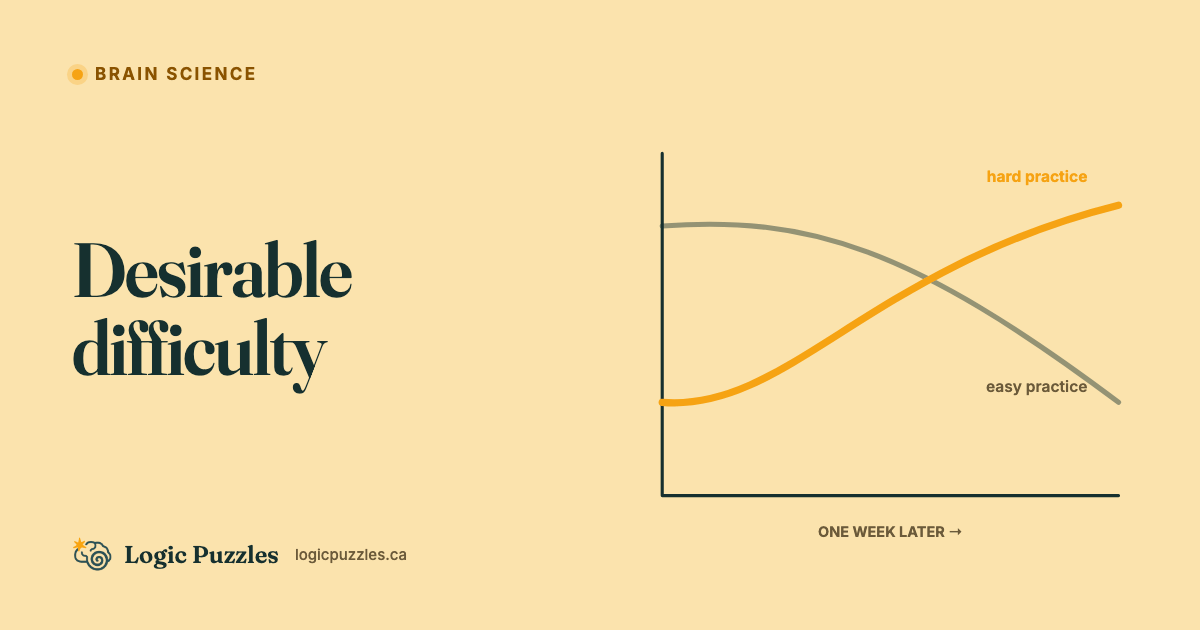
- Gradually increase difficulty to maintain challenge
- Take breaks when needed to avoid mental fatigue
A Quick Closing Thought
Play what you genuinely enjoy. That’s what keeps you coming back - and that’s where the benefits compound.
Ready to start? Try one of these quick, clean puzzles in your browser: