Every few years, a new technology arrives with the same promise: this will give you your time back. Email was supposed to replace long meetings. Smartphones were supposed to make us reachable so we could leave the office earlier. AI was supposed to handle the tedious parts of our work so we could focus on what matters.
And yet. Here we are. Working more hours than ever, answering more messages than ever, producing more output than ever - and somehow feeling less finished at the end of the day than we did before any of it existed.
The efficiency trap
The logic seems airtight. If a tool helps you do something in half the time, you should have the other half free. But that is not what happens. What happens is that expectations rise to fill the gap.
When you can write a report in an hour instead of four, you do not get three hours back. You get asked to write four reports. When AI can generate a first draft in minutes, the baseline shifts. What used to be impressive output becomes the minimum. The finish line moves.
This is not a new pattern. Economists have a name for it - the Jevons paradox. When a resource becomes more efficient to use, we do not use less of it. We use more. Coal-powered engines got more efficient, and coal consumption increased. Cars got better gas mileage, and people drove farther. AI makes work faster, and we simply do more work.
The always-on mind
There is a subtler cost beyond the raw hours. When tools make it possible to work from anywhere, at any time, the boundaries between work and rest dissolve. Not all at once - gradually, in small concessions that feel reasonable in isolation.
You check your email before breakfast because it only takes a minute. You review a document on the couch because AI already summarized it for you. You respond to a message at 10 PM because the AI drafted the reply and all you have to do is hit send.
Each of these feels like nothing. Together, they mean your mind never fully leaves work. And a mind that never leaves work never fully rests.
What rest actually requires
Rest is not the absence of physical effort. It is the absence of open loops. It is the state where your brain stops scanning for the next task, the next notification, the next thing that needs your attention.
This is why scrolling your phone on the couch does not feel restful even though you are technically doing nothing productive. Your brain is still in input mode - processing, evaluating, reacting. The machinery is still running.
Real rest requires a boundary. Something that says: this is not work. This does not connect to work. This exists on its own terms. And it requires your brain to actually believe it.
Where puzzles fit
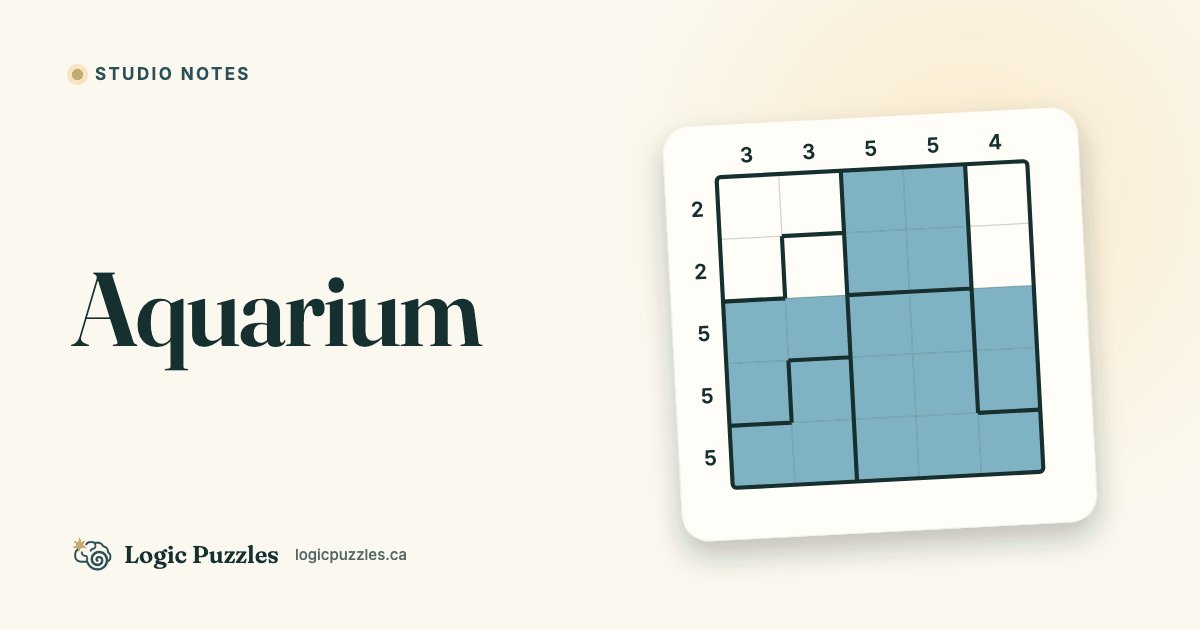
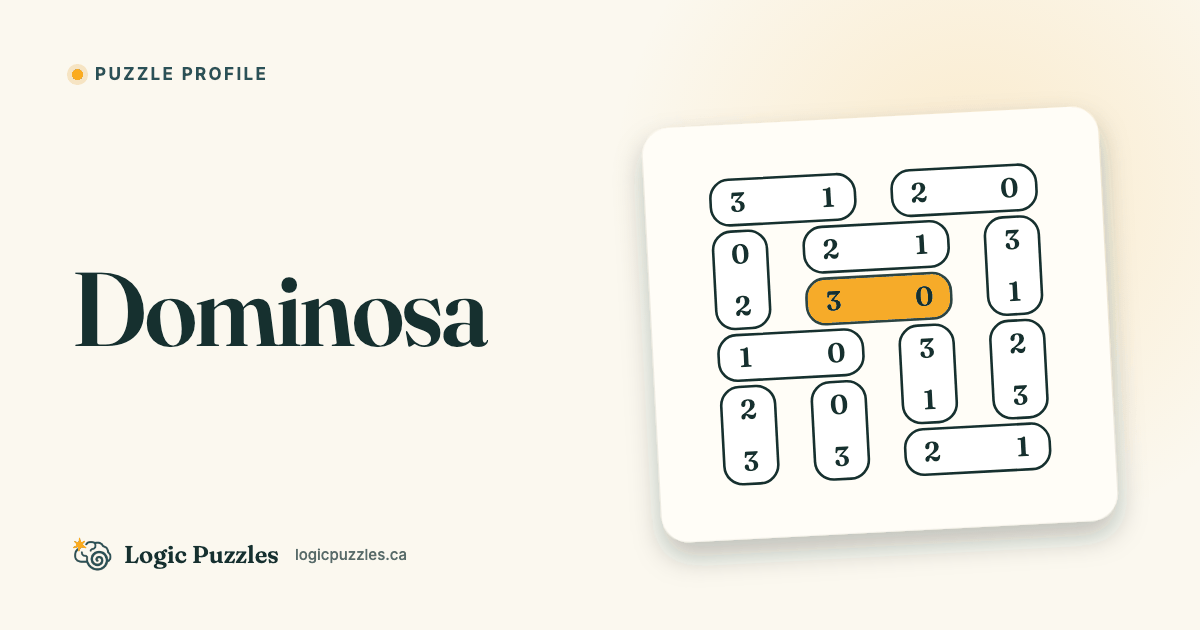
I think about this a lot, partly because I build puzzle games for a living and partly because puzzles are one of the few things that genuinely shut off my work brain.
A logic puzzle has a strange quality that most leisure activities lack: it demands your full attention without connecting to anything else. There are no notifications. No follow-up tasks. No way to optimize it with AI. It is just you, a grid, and a set of rules that do not care about your inbox.
When you sit down with a Sudoku or a Nonogram, your brain shifts into a different mode. Not the reactive, scanning mode of checking messages. Not the half-attentive mode of watching something while your mind wanders. A focused, deliberate mode where you are solving something that has a clear answer and no stakes beyond the satisfaction of finding it.
That is not a small thing. In a world where most of our attention is fractured and borrowed, a twenty-minute stretch of genuine focus - on something that does not matter, that carries no consequences, that exists purely for the pleasure of thinking - is closer to rest than almost anything else you can do with a screen.
The productivity paradox and the puzzle paradox
Here is what I find interesting. AI is valuable because it increases your output. Puzzles are valuable because they produce nothing at all.
A solved puzzle has no business value. You cannot monetize it, delegate it, or put it on your resume. It does not make you more productive. It does not scale. It is, by every measure the modern world cares about, a waste of time.
And that is exactly why it works.
The things that rest us best are the things that exist entirely outside the system of productivity. When an activity has no connection to output, no way to be optimized, no reason to rush - your brain finally gets the signal that it can stop performing. That it can just think, without the thinking needing to go anywhere.
Doing less on purpose
I am not against AI. I use it every day. It genuinely helps me build better games, write faster, and solve problems I could not solve alone. I am not nostalgic for a world without it.
But I have learned to be deliberate about when I stop using it. When I close the laptop. When I pick up a puzzle instead of opening another tab. Not because puzzles are better than AI, but because they serve a completely different purpose. AI helps me do more. Puzzles help me stop doing.
And stopping - really stopping, not just switching to a different kind of doing - turns out to be the thing I need most.
The balance is not about time
People talk about work-life balance as if it is a scheduling problem. Work fewer hours. Take more breaks. Set boundaries on your calendar. All good advice, but it misses the deeper issue.
The problem is not how many hours you work. It is how many hours your brain thinks it is working. And in the age of AI, where every idle moment can be filled with something productive, where every task can be done faster so you can start the next one sooner, your brain can think it is working almost all the time.
Balance is not about dividing hours between work and not-work. It is about giving your mind spaces where it genuinely disengages. Where the mode of thinking shifts from producing to simply being present. Where there is no output, no optimization, no next step.
A puzzle will not solve your burnout. But twenty minutes of real focus on something beautifully useless - something that asks for your whole mind and gives nothing back except the quiet satisfaction of a completed grid - is a better reset than most people realize.
Try it tonight
Next time you finish work and feel the pull to check one more thing, to optimize one more task, to use the time AI saved you on something productive - don't. Open a puzzle instead. Not to be productive. Not to train your brain. Just to think about something that does not matter, for no reason other than it feels good.
You have been doing more all day. You have earned the right to do nothing useful at all.